There’s nothing more frustrating than turning on the tap or stepping into the shower, only to be greeted by a weak trickle instead of a satisfying rush of water. Low water pressure can turn everyday tasks into a hassle, but the good news is that many causes are easy to identify—and some are simple to fix! At East & Gray, we believe in empowering homeowners to spot issues early, so here’s a friendly, step-by-step guide to help you troubleshoot low water pressure in your home.
What Causes Low Water Pressure?
Low water pressure can strike suddenly or creep up over time. Common culprits include:
- Clogged pipes or fixtures
- Leaking or burst pipes
- Faulty pressure regulator
- Problems with your main water supply
- Closed or partially closed valves
- Sediment buildup in your water heater
Knowing what to look for is half the battle!
Step 1: Check Multiple Taps
Is the low pressure happening everywhere, or just in one room? If it’s only one tap or shower, the problem is probably local (like a clogged aerator or showerhead). If it’s throughout the house, it’s time to dig deeper.
Step 2: Inspect Aerators and Showerheads
Mineral deposits and debris can clog up aerators and showerheads, especially if you have hard water. Unscrew the aerator or showerhead and soak it in vinegar for an hour. Rinse, reattach, and test the flow. Sometimes, that’s all it takes!
Step 3: Look for Leaks
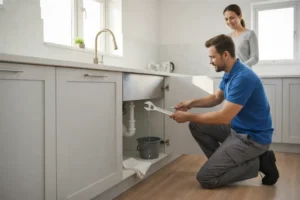
A hidden leak can steal water pressure from the rest of your home. Check under sinks, around appliances, and in the basement for damp spots or puddles. If you spot water where it shouldn’t be, turn off your main water supply and call a professional—fast.
Step 4: Check Your Valves
Sometimes, the solution is as simple as making sure your main shutoff valve or water meter valve is fully open. These valves can get bumped during repairs or renovations.
Step 5: Ask Your Neighbors
If your neighbors are having the same problem, the issue might be with the municipal supply. Contact your water provider for updates or repairs.
Step 6: Test the Pressure Regulator
Some homes have a pressure regulator (usually near where the main line enters your house). If it fails, you’ll notice a sudden drop in pressure or even surges. Replacing a faulty regulator is best left to the pros.
Step 7: Check the Water Heater
If you only have low pressure on the hot side, sediment buildup in your water heater might be to blame. Flushing the tank can help, but if you’re unsure how to do this safely, give East & Gray a call.
When to Call the Pros
If you’ve run through these steps and still have low water pressure, it’s time to call in the experts. Some issues—like old, corroded pipes or major leaks—need professional tools and know-how to fix safely.
Everyday Life with Low Water Pressure (Why It Matters)
Let’s be real—low water pressure isn’t just a minor annoyance. It can make showering feel like standing in a drizzle, turn washing dishes into a chore, and leave your washing machine or garden hose struggling to do their jobs. We’ve heard from customers who put off fixing it, only to find themselves frustrated every single day. If you’re constantly apologizing to guests for the slow sink or waiting ages for the tub to fill, you deserve better!
East & Gray Can Help
At East & Gray, we’re all about making your home comfortable and hassle-free. Whether you need a quick fix or a full system inspection, our friendly team is ready to help. We know how disruptive plumbing problems can be, and we pride ourselves on honest advice, tidy work, and getting the job done right the first time. Don’t let low water pressure slow you down—give us a call, and we’ll get things flowing right again!
Don’t wait for a small annoyance to become a big headache. Let East & Gray put the pressure back where it belongs—in your pipes, not your life!